
Thoughts I Often Share With Writers Carrying Hard, Holy Stories
One of the questions I’m asked most often by Christian writers is this:
“How do I find the right mentor to help me write my memoir?”
It sounds like a simple question, but underneath it is something much deeper.
Writing memoir—especially a memoir shaped by faith—often means opening places in our lives that were once broken, private, or painfully unfinished. When we begin writing those stories, we aren’t simply choosing someone to review our pages. We’re choosing someone who will sit with us while we revisit valleys and help us shape meaning out of memories that once felt impossible to explain.
I remember feeling the weight of this myself when I began writing what would eventually become my memoir, GodPrints. My son Jacob had died in a tragic accident, and the story I was trying to tell wasn’t simply about events. It was about grief, faith, and the quiet ways God had carried our family through devastation.
At times, writing felt like walking back through the darkest valley of my life with a notebook in my hands.
Experiences like that change how carefully we choose the voices we allow close to our stories.
Because of that, choosing a mentor isn’t only a writing decision.
It’s a discernment decision.
Over the years, as writers have asked me this question, I’ve found myself returning to a few guiding questions that can help bring clarity.
Who should be allowed to speak into our lives?
Not every skilled writer should be invited into our most vulnerable work.
Memoir requires someone who can hold more than our pages—they must be able to hold our story and our heart with care.
Before asking who looks qualified on paper, it can help to pause and ask deeper questions:
- Who has earned the right to hear my story in its raw form?
- Who speaks truth with gentleness?
- Who sees my heart as clearly as my manuscript?
Many of us rush into mentorship out of insecurity.
“I don’t know what I’m doing. Anyone with more experience must know better.”
Yet not every voice is meant to shape our voice.
We need mentors whose character, humility, and spiritual grounding create safety—people whose presence brings steadiness rather than pressure.
A memoir mentor doesn’t only need to understand writing.
They need to understand people.
Who understands trauma, testimony, and timing?
Christian memoir carries unique layers. We aren’t simply recounting events. We are tracing the places where God met us—even when we did not recognize it at the time.
Because of that, wise mentors understand three deeply tender realities.
Trauma
Not every painful detail belongs in print.
Some memories aren’t ready to be shared with an audience in mind, and some wounds need more healing before they become chapters. A thoughtful mentor sometimes offers gentle guidance such as:
“This part of the story may need more time before it’s ready to be written.”
“This scene doesn’t yet serve the story’s arc.”
That kind of feedback isn’t rejection. It is protection.
Testimony
Christian memoir holds a delicate balance. We tell the truth about what happened while also bearing witness to God’s faithfulness within it. Lament and hope often live side by side on the page.
A mentor who understands testimony helps us hold that tension well.
Timing
Every memoir has a season when writing becomes possible.
Sometimes urgency pushes us forward before our hearts are ready. A wise mentor knows when to encourage progress and when to gently say, “Let’s slow down.”
Who can hold both our story and our soul carefully?
When we invite someone into our memoir, we aren’t just offering chapters.
We are entrusting grief, memory, identity, and meaning.
That trust deserves reverence.
Questions that often help:
- Do I feel emotionally safe with this person?
- Do they see me, or only the manuscript?
- Can they speak honestly without harshness?
- Do I leave conversations encouraged—or diminished?
Memoir is tender work, and the people we allow close to our stories will either deepen our courage or deepen our doubts.
Healthy mentors strengthen courage.
Who can challenge our craft without wounding our hearts?
Good mentors tell the truth.
Most writers benefit from someone who can say things like:
- “This section needs greater clarity.”
- “There may be a deeper layer here.”
- “Something important might be hiding beneath this moment.”
Honest feedback is part of growth, yet the way that truth is delivered matters deeply.
The right mentor will sharpen your writing, stretch your skills, and deepen your insight while still honoring the dignity of your story.
A mentor who bulldozes confidence isn’t healthy.
A mentor who refuses to offer honest feedback isn’t helpful either.
What we’re looking for is someone who carries both courage and compassion.
Who sees the purpose in the story, not only the pain?
When I work with writers, I often find myself asking questions like:
- Where did you sense God’s presence in this season?
- What truth grew from this experience?
- What transformation belongs in this chapter?
A good mentor doesn’t focus only on trauma. They help us trace the quiet thread of redemption running through the story.
Often, a mentor sees the purpose of a story before we fully recognize it ourselves.
Over time, what once felt like raw pain begins to reveal itself as testimony.
How do we listen for God’s leading?
Choosing a memoir mentor isn’t simply a professional decision.
For many of us, it becomes a spiritual one as well.
We can bring the decision before the Lord with questions like:
“Is this a voice You want shaping my voice?”
“Will this partnership help me tell the truth in love?”
“Does my spirit sense peace about this connection?”
God often guides through quiet indicators such as clarity, wise conversations, open doors, and a growing sense of peace. At other times, He may stir caution through hesitation, confusion, or a subtle sense that something feels forced.
Discernment does not stand outside the writing process.
For many memoirists, it becomes one of its most important parts.
A final encouragement
If you have been asking the question, “How do I find the right mentor to help me write my memoir?” you are not alone.
Many writers carrying meaningful stories wrestle with the same uncertainty.
The good news is that you do not need to rush the decision. You do not need to choose from fear or insecurity, and you do not need to assume the most impressive résumé belongs to the wisest voice.
Instead, you can look for someone who loves God, people, and story—in that order.
Often, when the right mentor enters the process, something inside us settles. Our stories feel protected, our calling becomes clearer, and our writing begins to breathe again.
In the end, memoir becomes more than a writing project. It becomes a testimony—one shaped with care, offered with courage, and prayerfully stewarded so that the story God wrote in our lives might help someone else recognize His fingerprints in their own.
Author Bio
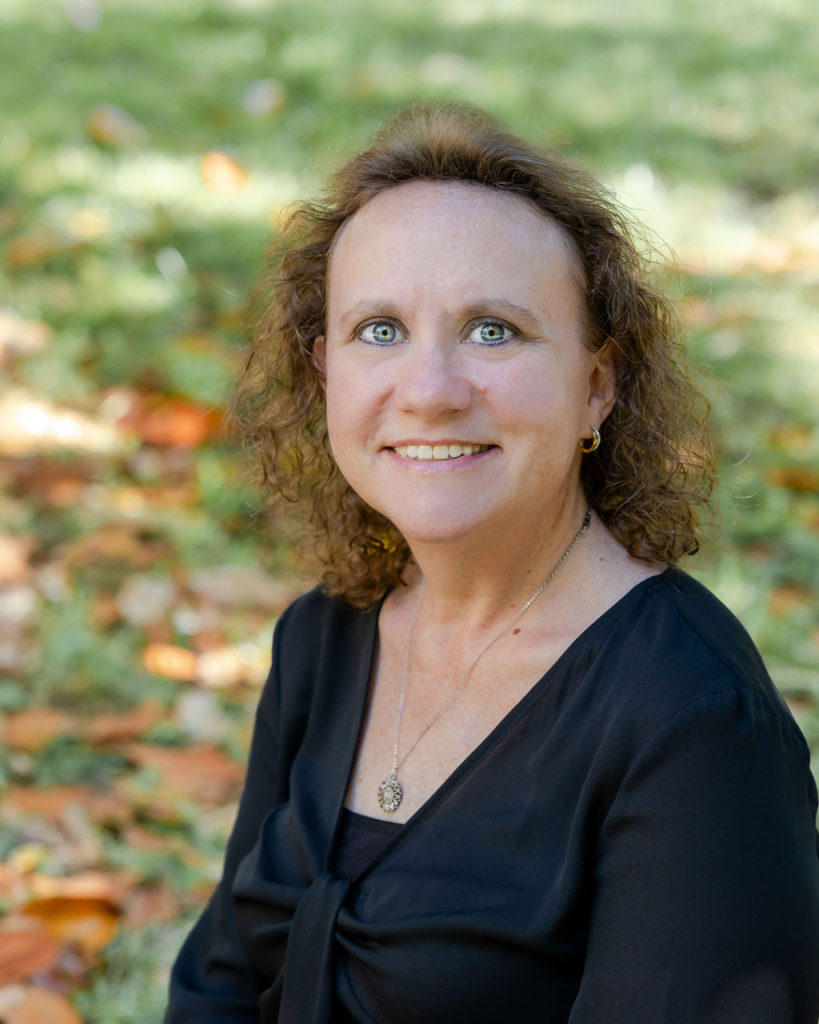
Jenny Leavitt is the award-winning author of GodPrints: Finding Evidence of God in the Shattered Pieces of Life and the creator of the Resilient Grief Recovery Courses. After losing her teenage son in a tragic accident and walking through seasons of caregiving, hardship, and healing, Jenny now helps Christian writers and grieving hearts discover how God’s fingerprints remain present even in life’s most shattered places. Learn more at JennyLeavitt.com.